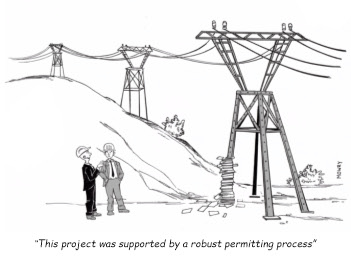
The House Natural Resources Committee finally passed H.R. 4776 out of committee in November. The bill is the Standardizing Permitting and Expediting Economic Development (SPEED) Act, and is the latest attempt at bipartisan permitting reform legislation from Congress. The legislation was first introduced by Natural Resources Chairman Bruce Westerman (R-Arkansas) and Representative Jared Golden (D-Maine) over the summer, and it would significantly change permitting under the National Environmental Policy Act of 1970 (NEPA) for federal infrastructure projects. Its prospects for a full House vote, let alone 60 votes in the Senate, are unclear, but at the very least the legislation represents the current status of bipartisan permitting negotiations in Congress.
Yet even the signs of bipartisan support for the SPEED Act are limited. When it passed out of committee, only two House Democrats voted in favor of the legislation: Representative Golden, who sponsored the bill, and Representative Adam Gray of California. If the SPEED Act has any chance of being passed by a divided Congress, it will likely need modifications to garner additional support from Democrats.
House Democrats on the committee proposed a number of amendments to the legislation during a markup hearing before the committee voted on the SPEED Act. Some of the proposed amendments from Democrats aimed to protect against the reversal of NEPA decisions by future presidential administrations. At the markup hearing Democrats gave voice to concerns that the Trump Administration was reversing or otherwise slowing permits for offshore wind and other renewable energy projects.
Other proposed amendments from Democrats simply sought to reverse some of the NEPA-limiting language of the SPEED Act. Only one, bipartisan, amendment actually succeeded in being added to the legislation. That was a proposal by Representative Golden and Representative Pete Stauber (R-Minnesota) which significantly expanded on the bill’s language preventing agencies from revoking or rescinding NEPA permits that were already completed and approved, most likely during a prior presidential administration.
That seems to be an issue that Democrats and Republicans should be able to agree on. If the amendment language stays in the final version of the bill, and it passes, then the political clock on NEPA permitting will be much clearer. Future presidential administrations will have more difficulty “un-permitting” disfavored projects if their NEPA study is already complete.
For their part, Republicans have been insistent on “technology-neutral” NEPA reform legislation for the SPEED Act, rather than changes that would create special exemptions or a more streamlined NEPA process for certain kinds of projects. If the debate at the markup hearing and subsequent committee vote on the SPEED Act tell us anything, it is that the two parties are still far apart on NEPA reform, despite the seemingly good prospects for a bipartisan permitting deal in the current Congress.
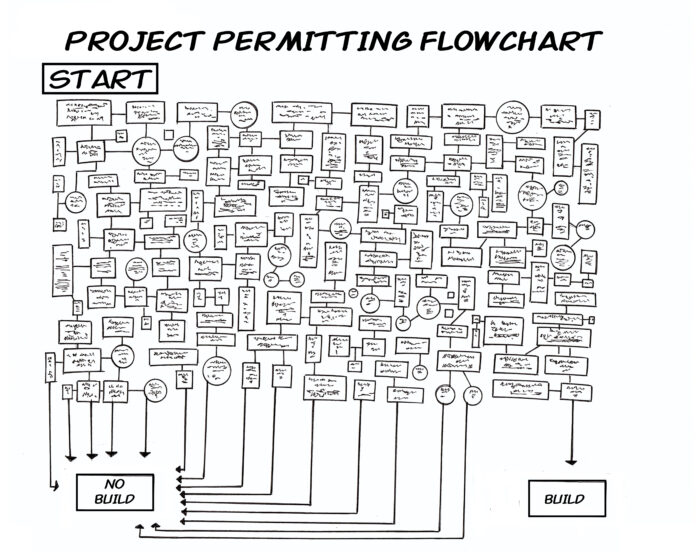
Current State of Reforms
The SPEED Act is the latest version of (slightly) bipartisan permitting reform, so the changes that it makes are at least indicative of where Congress may take permitting reform in the future, even if the legislation never makes it off the House floor. The legislation makes a myriad of changes to NEPA, which remains a statute fairly light on permitting details since it was enacted in 1970. Some of the changes are major reforms that will significantly alter how NEPA conflicts are adjudicated. These are the most important, and therefore contentious, changes in the SPEED Act as it reads today.

Related Articles
January 2025
Permitting Up in the Air as Trump Admin Takes Office
June 2024
On Reforming Environmental Litigation: A New Report from the Reason Foundation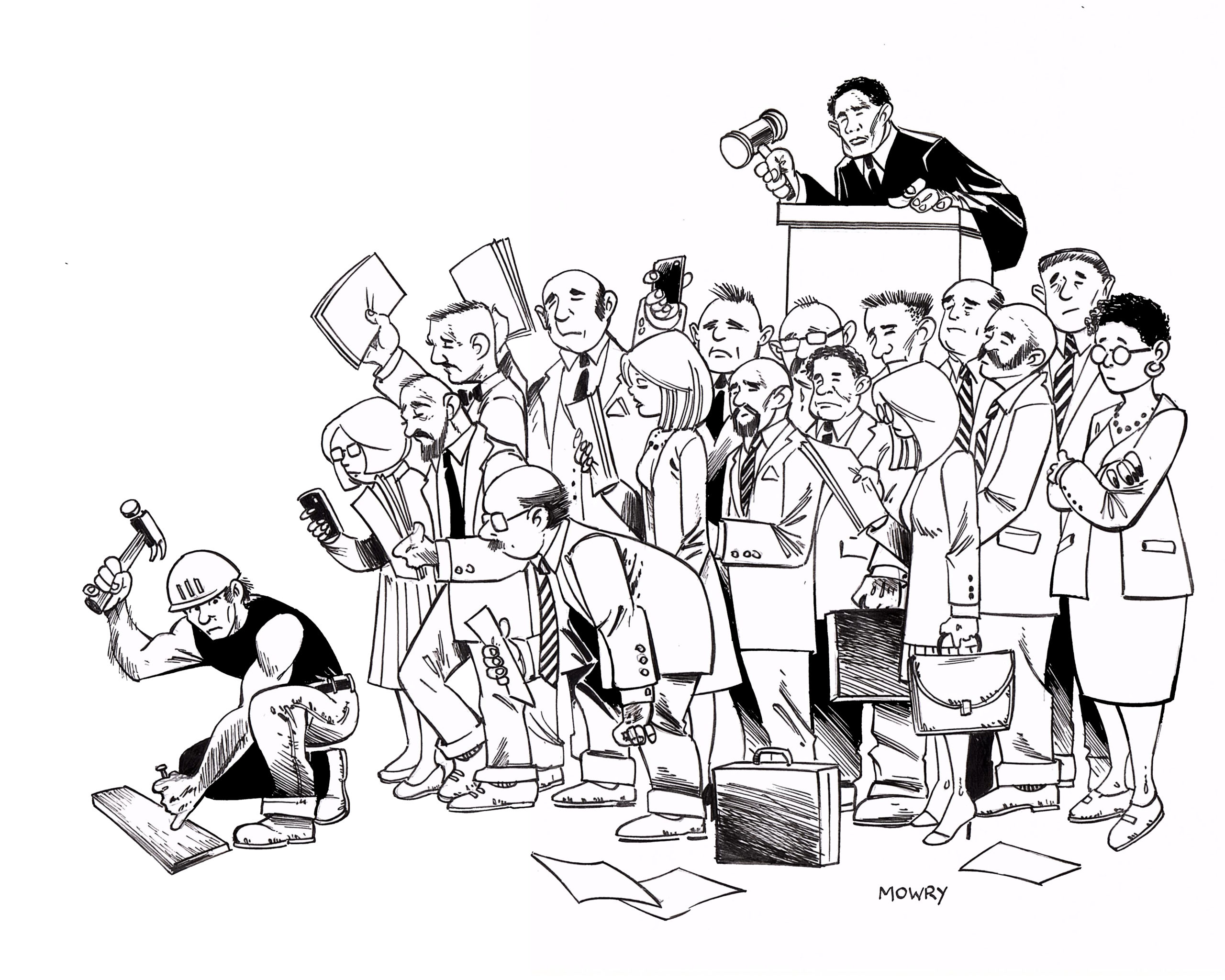
May 2024
Biden CEQ Finalizes New NEPA Rule, and States Sue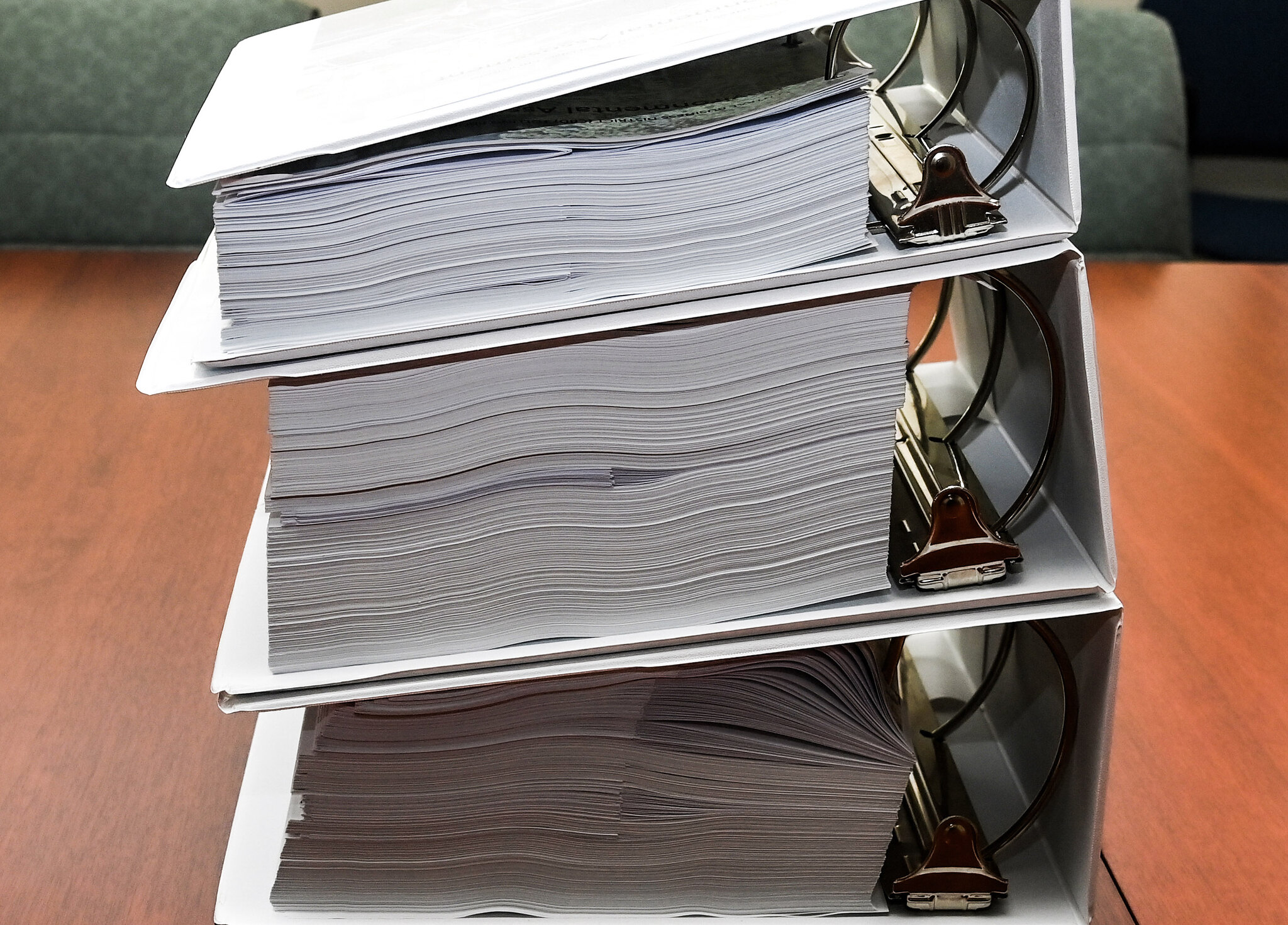
May 2024
It’s Rush Hour for Lawsuits Over New York’s Congestion Pricing
March 2024
Where Does the Study End? Uinta Basin Rail P3 Petitions Supreme Court
July 2023
Biden CEQ Publishes Phase 2 NEPA Permitting Guidance for Public Comment