Original study by Jorge Fleta-Asína, Alfredo Jiménez and Fernando Muñozc
This paper aims to fill a significant gap in the literature by examining how institutional factors such as political affinity (diplomacy) and government support affect delays in project initiation in developing countries. It focuses on PPPs that are financed by cross-border investment.
The paper argues that diplomacy plays a vital role in economic relations, especially for international companies. It promotes dialogue, negotiation, and peaceful dispute resolution, thus facilitating trade and investment opportunities. Diplomacy is likely to play a fundamental role in promoting cooperation and facilitating the timely initiation of PPP projects by fostering trusting relationships between the countries involved.
Moreover, government support for project performance is equally important because it reflects a greater institutional interest in delivering projects. In particular, government support in the form of subsidies or financial incentives signals commitment from the public side and reduces uncertainties for private investors.
Given the importance ascribed to these factors, the main research question addressed in this paper is as follows: How do political affinity and government support, as well as their interaction, influence delays in the initiation of PPP projects?

Related Articles

February 2026
Review of Public-Private Partnerships Across Building Sectors in Nine European Countries: Key Adaptations for PPP in Housing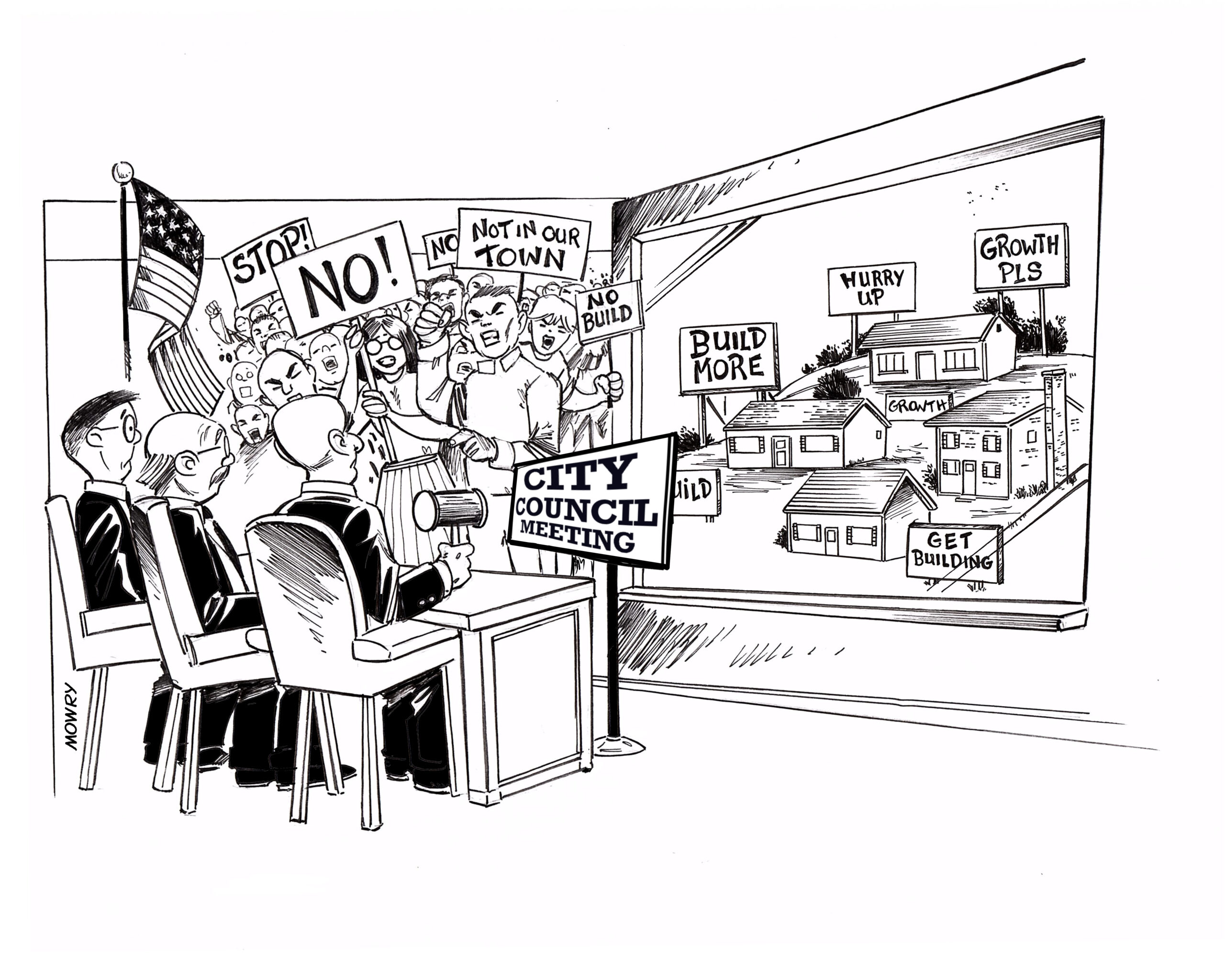
January 2026
An Integrated Framework to Improve Public Involvement in Public-Private Partnerships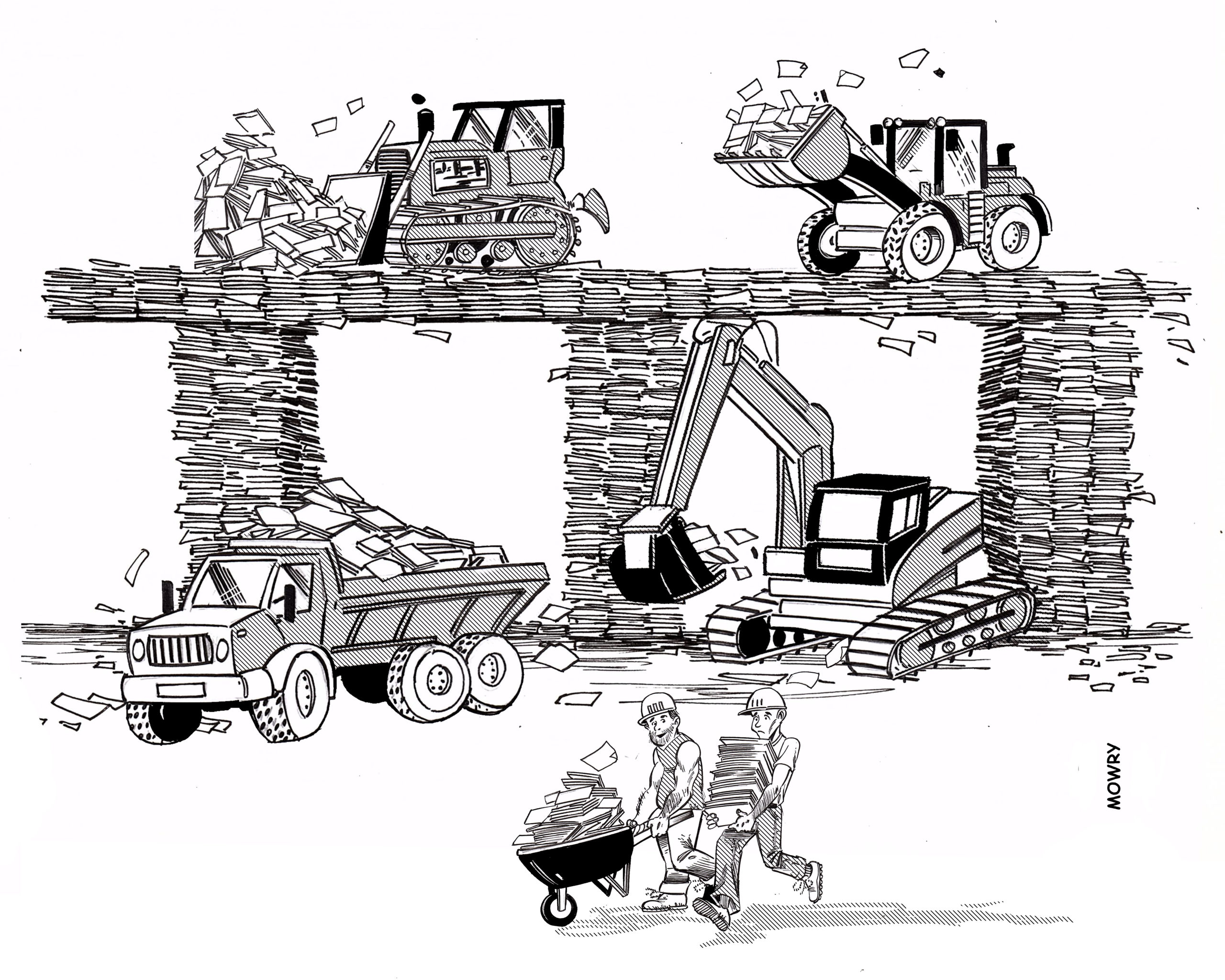
November 2025
Review of Studies on Sustainability of Public-Private Partnership Projects: A Bibliometric Analysis
October 2025
Exploring Interactions Among PPP Institutional Variables Along Market Maturity Levels
September 2025
Governance and Renegotiation in Public-Private Partnerships During Crises: An Examination of the Resulting Tensions in a Private Partner Consortium
July 2025
Rent-seeking in Megaprojects: The Case of Turkey’s Public-Private Partnerships for Roads